Showing links to post published

2026
Team Topology
Sharing with you my top takeaways from 𝗧𝗲𝗮𝗺 𝗧𝗼𝗽𝗼𝗹𝗼𝗴𝗶𝗲𝘀 book:
· Moves beyond simple IT structure and tackles the “𝗪𝗵𝗼𝗹𝗲-𝗢𝗿𝗴𝗮𝗻𝗶𝘇𝗮𝘁𝗶𝗼𝗻 𝗧𝗿𝗮𝗻𝘀𝗳𝗼𝗿𝗺𝗮𝘁𝗶𝗼𝗻” required for next coming years. It’s no longer just about engineering; it’s about reinventing IT, designing to become the engine for digital products.
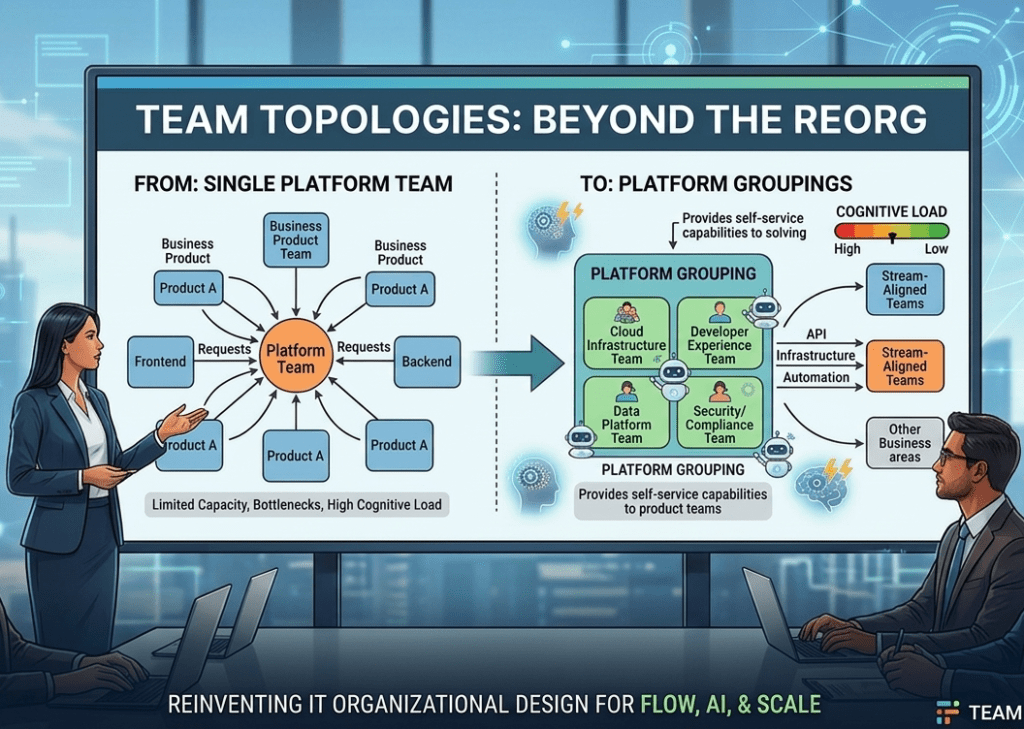
· From “𝗣𝗹𝗮𝘁𝗳𝗼𝗿𝗺 𝗧𝗲𝗮𝗺𝘀” 𝘁𝗼 “𝗣𝗹𝗮𝘁𝗳𝗼𝗿𝗺 𝗚𝗿𝗼𝘂𝗽𝗶𝗻𝗴𝘀”: The “fractal” organization has arrived. A single platform team is no longer enough to support modern complexity. We are moving toward platform groupings collections of teams acting as a unified unit. This allows the platform to scale its internal services without becoming a massive slow-moving monolith.
· AI 𝗔𝘂𝗴𝗺𝗲𝗻𝘁𝗲𝗱 𝗗𝗲𝘀𝗶𝗴𝗻 (𝗡𝗼𝘁 𝗷𝘂𝘀𝘁 𝗔𝘂𝘁𝗼𝗺𝗮𝘁𝗶𝗼𝗻) 🤖: The biggest challenges leaders make? is AI using only to “replace people”?. The latest edition of this book argues that AI’s true power is lowering cognitive load. If AI isn’t simplifying the mental overhead for your people, it’s likely increasing system complexity and creating hidden bottlenecks.
In summary, we should not just rearrange boxes on an org chart. It’s not a reorg; 𝗶𝘁’𝘀 𝗮 𝗿𝗲𝗶𝗻𝘃𝗲𝗻𝘁𝗶𝗼𝗻 𝗼𝗳 𝗵𝗼𝘄 𝘄𝗲 𝗱𝗲𝗹𝗶𝘃𝗲𝗿 𝘃𝗮𝗹𝘂𝗲. We should be designing for flow, speed, and cognitive sanity in an AI-driven world.
Great book Matthew Skelton and Manuel Pais, many thanks for sharing your vision.
2026
Capas de IA Generativa
¿𝗖𝗼́𝗺𝗼 𝘀𝗲 𝗰𝗼𝗻𝘀𝘁𝗿𝘂𝘆𝗲 𝗿𝗲𝗮𝗹𝗺𝗲𝗻𝘁𝗲 𝘂𝗻𝗮 𝘀𝗼𝗹𝘂𝗰𝗶𝗼́𝗻 𝗱𝗲 𝗜𝗔?
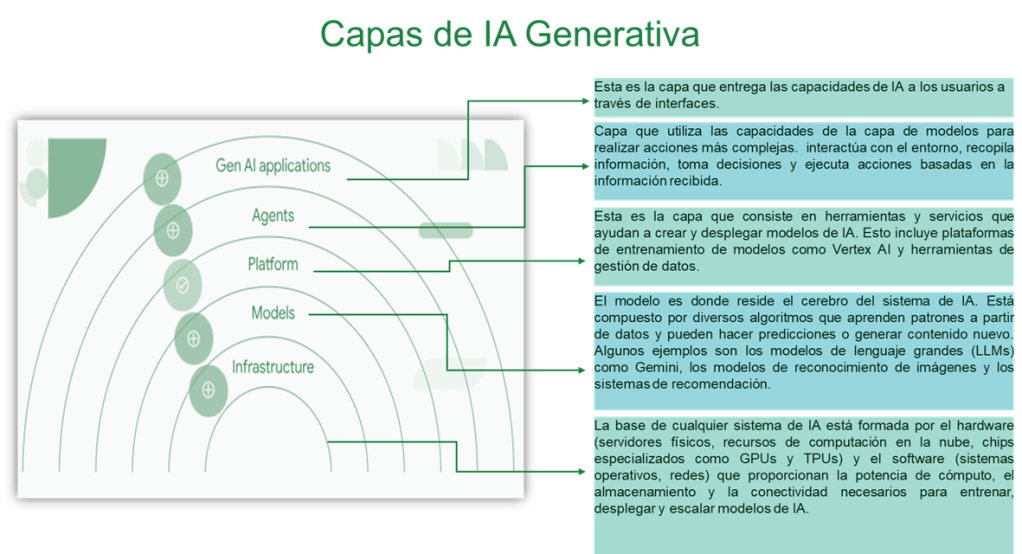
Si alguna vez te has preguntado cómo se construye una solución de IA, comparto este gráfico de las capas de IA generativa que lo resume perfectamente:
a) 𝗖𝗮𝗽𝗮 𝗱𝗲 𝗔𝗽𝗹𝗶𝗰𝗮𝗰𝗶𝗼́𝗻: Lo que tú y yo usamos cada día.
b) 𝗖𝗮𝗽𝗮 𝗱𝗲 𝗔𝗴𝗲𝗻𝘁𝗲𝘀: IA que no solo responde, sino que actúa y resuelve problemas.
c) 𝗖𝗮𝗽𝗮 𝗱𝗲 𝗣𝗹𝗮𝘁𝗮𝗳𝗼𝗿𝗺𝗮: El puente que ayuda a crear y gestionar esos modelos.
d) 𝗖𝗮𝗽𝗮 𝗱𝗲 𝗠𝗼𝗱𝗲𝗹𝗼𝘀 (model garden): Aquí es donde ocurre la “magia” de los LLMs (Large Language Model) y el reconocimiento de imágenes.
e) 𝗖𝗮𝗽𝗮 𝗱𝗲 𝗜𝗻𝗳𝗿𝗮𝗲𝘀𝘁𝗿𝘂𝗰𝘁𝘂𝗿𝗮: Sin chips especializados y servidores, no hay IA.
No basta con usar la IA; el verdadero valor competitivo está en entender cómo cada capa se integra en tu modelo de negocio.
Este planteamiento de arquitectura me he inspirado en el enfoque de agentes de Google Cloud Platform (GCP).
2026
Componentes básicos sistema de IA
¿𝗤𝘂é 𝗵𝗮𝘆 𝗿𝗲𝗮𝗹𝗺𝗲𝗻𝘁𝗲 𝗱𝗲𝘁𝗿á𝘀 𝗱𝗲 𝗹𝗮 𝗜𝗔 𝗚𝗲𝗻𝗲𝗿𝗮𝘁𝗶𝘃𝗮? (𝗺á𝘀 𝗮𝗹𝗹á 𝗱𝗲 𝗹𝗮𝘀 𝗲𝘅𝗽𝗲𝗰𝘁𝗮𝘁𝗶𝘃𝗮𝘀)
La realidad de cómo se construye la IA (Inteligencia Artificial) es sobre una arquitectura de ingeniería muy precisa. Hoy empiezo a compartir contigo una serie para desglosar los fundamentos de la IA generativa, desde sus capas hasta los nuevos sistemas de agentes.
📌 𝗖𝗮𝗽í𝘁𝘂𝗹𝗼 𝟭: 𝗟𝗼𝘀 𝟰 𝗽𝗶𝗹𝗮𝗿𝗲𝘀 𝗱𝗲 𝘂𝗻 𝘀𝗶𝘀𝘁𝗲𝗺𝗮 𝗱𝗲 𝗜𝗔
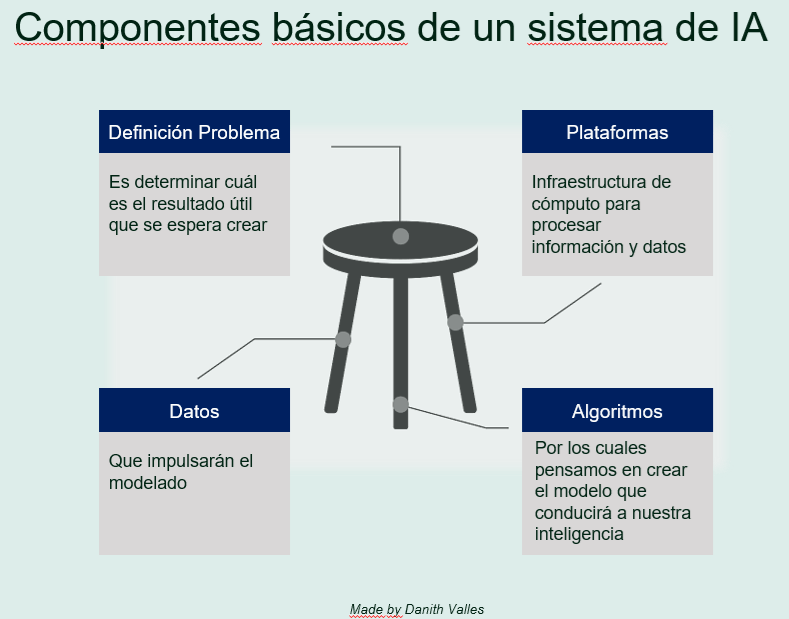
Para que un modelo pase de ser una idea a una herramienta o aplicación funcional, necesita sostenerse en estos componentes que muestra la figura adjunta y que son:
1️⃣ 𝗗𝗲𝗳𝗶𝗻𝗶𝗰𝗶ó𝗻 𝗱𝗲𝗹 𝗽𝗿𝗼𝗯𝗹𝗲𝗺𝗮: El pilar más olvidado. Es el resultado útil que se busca, sino está claramente definido, la tecnología no sirve de nada.
2️⃣ 𝗣𝗹𝗮𝘁𝗮𝗳𝗼𝗿𝗺𝗮𝘀: La infraestructura de cómputo necesaria para procesar volúmenes masivos de datos.
3️⃣ 𝗗𝗮𝘁𝗼𝘀: El combustible. Sin datos de calidad, el modelo es simplemente una cáscara vacía.
4️⃣ 𝗔𝗹𝗴𝗼𝗿𝗶𝘁𝗺𝗼𝘀: El cerebro. Los mecanismos que transforman datos en inteligencia y capacidad de predicción.
El modelo presentado en la figura es una adaptación propia basada en mi formación en la Universidad de Stanford sobre IA y su adopción empresarial.
2025
Platform Strategy
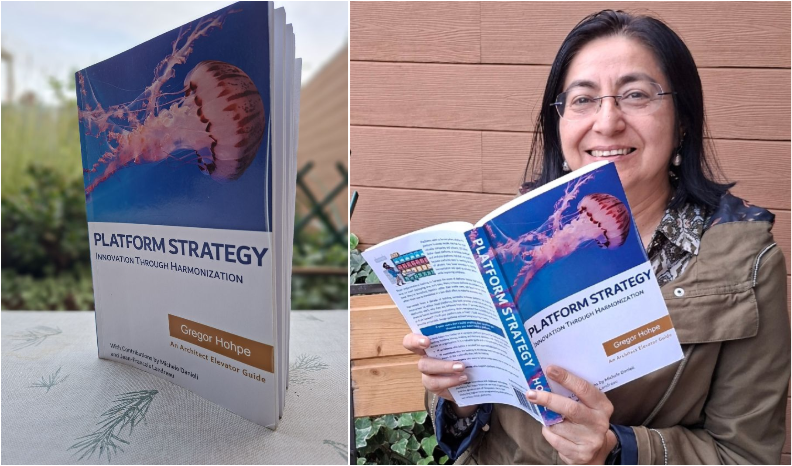
Glad to share with you that I recently revisited Platform Strategy, and it’s one of those books that bridges architecture, business strategy, and organizational design in a way that feels both practical and visionary.
This reminds us that a platform isn’t just a piece of technology but it’s a way of thinking about scale, empowerment, and collaboration. Some key ideas that stood out to me:
– Platforms reduce friction: Enabling others to build faster and smarter.
– The true value lies in the ecosystem, not the platform itself.
– Empowerment beats control: The best platforms invite participation rather than enforce compliance.
– Architects as product thinkers: Think beyond systems and focus on user value and feedback loops.
On the other hand, a great example is the Engineering Platform, a common layer connecting both IT and business teams. It reduces time to market, drives standardization, and improves product quality. i.e., providing shared tools, self-service capabilities, and best practices, it enables developers to deliver software efficiently.
Also, now with AI-assisted development, these Engineering Platforms can go even further: providing intelligent code suggestions, automated testing, and proactive monitoring that help teams ship safer, smarter, and faster.
2024
Enterprise Architecture Roles
Let me share with you the Enterprise Architecture’s approach by Scaled Agile Framework (SAFE)
Enterprise Architecture is responsible for establishing the portfolio’s technology vision, strategy, and roadmap. Providing the vision, evolution, and communication of an enterprise’s technical architecture, creating the strategy and portfolio-level technical roadmaps for new and innovative technologies.
This often includes incorporating Cloud, Data, and AI technologies to create strategic advantage.
Read more https://scaledagileframework.com/enterprise-architect/

2024
Cloud Strategy
As you know, cloud computing is a lifestyle change in enterprises i.e., impacting in their organization, enterprise architecture (re-architecting), reskilling, infrastructure, agility, operational model and so on.
Nowadays, this disruptive technology is a must for all enterprises as base for using Artificial intelligence(AI) because there are three reasons such as big data, computing resources and algorithms which are available on the cloud.
Glad to share with you that I am reading at this time “Cloud Strategy” and seeing how this book could help to have ideas on how to align technology change with organizational transformation devising a cohesive strategy, making architectural decisions, and communicating trade-offs to diverse stakeholders.
Gregor Hohpe this is a great book too, explaining cloud strategy through real-life anecdotes as with a structured approach for cloud journey in enterprises.
I have been reading some cloud’s books from years ago from different points of view (see enclosed picture), in order to keep my head in the cloud but with my feet on the ground 😊. This book is one of the best.

2024
Architect Elevator
Glad to share with you this book that I am reading and gathering lessons learned and tips regarding the absolute need to reinvent the architect’s role and functions due to enterprise digital transformation.
It explains how Architects play a critical role in digital transformation and how these roles should combine the technical, communication, and organizational skills to derive business value from a tech stack refresh. i.e., the Architect much-needed connection between the organisation’s business strategy and the IT engine room, where the enabling technologies are implemented.
The book shows how to ride the architect elevator to the upper floors (areas or departments in the organisation) and creating deliverables as part of enterprise, domains, data, security, solutions, and cloud architectures.
Great book Gregor Hohpe, I am agree with your vision in many chapters. Sometime, I would like to have a conversation over coffee with you sharing experiences and ideas about architecture realm.

2023
Achievement: My Stanford Digital Transformation Program
After almost two years of hard work, I am really happy 🙂 with my accomplishment of my postgraduate program at Stanford University.
I started the Digital Transformation Program in September 2021. I learned so much and the program has provided to me strategic vision, digital strategy roadmap, digital transformation use cases, disruptive technologies, and so on.
Also as part of this program was required to take 8 exams and courses and was needed to achieve at least 85% of the score per each exam. That is the requirement of Stanford in order to keep the quality of the program and excellent professionals.
The interesting courses, I did during program such as
– Foundations for Digital Transformation
– The Industrialist’s Dilemma: How to Adapt to a Changing Landscape
– Systems Leadership: Managing Uncertainty in the Digital Age.
– Rethinking Teams: Designing for the Modern Workforce.
– Transforming the User Experience through Artificial Intelligence (AI)
– Turn Data into Insights with Predictive Modeling
– Work Smarter with Crowdsourcing
– Build a Product Platform Strategy to Accelerate Growth
Many thanks to my professors such as Robert E. Siegel , Michael Bernstein, Pamela Hinds, Melissa Valentine, Ramesh Johari and Kathleen Eisenhardt.

2023
Leadership and Soft Skill

2023
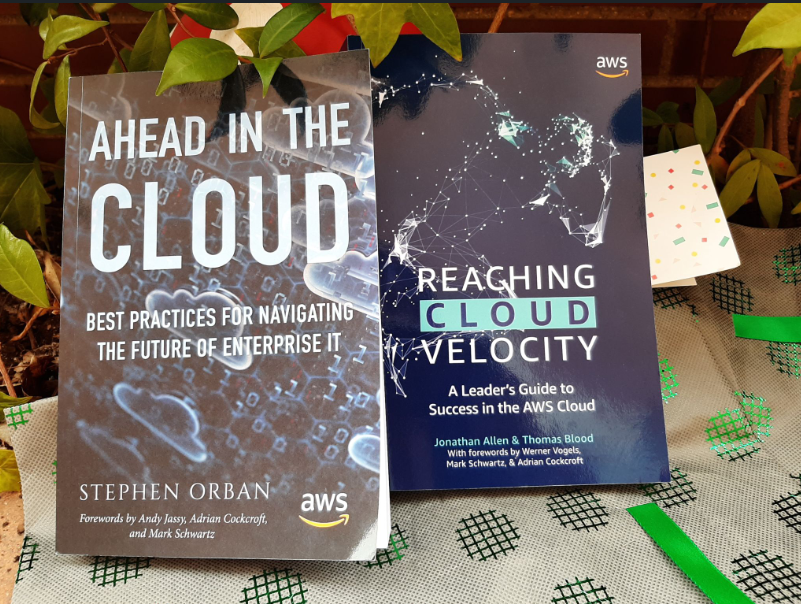
Cloud Computing Books
Visualizing Google Cloud
Ahead in the cloud and Reaching cloud velocity (AWS)

2022
THE CHAT: Reinventing your Business Model Strategy

2022
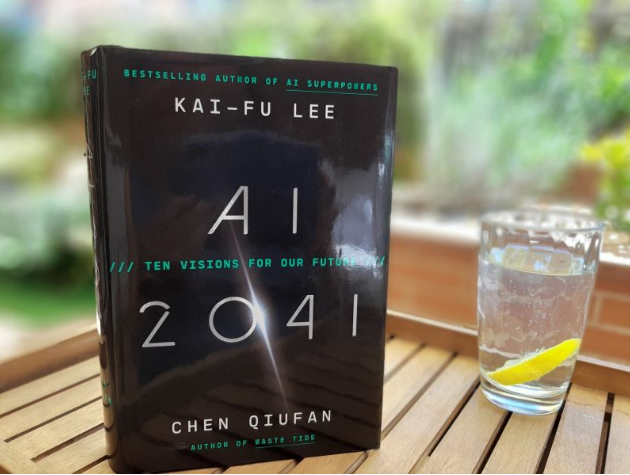
Artifitial Intelligence(AI) Recommended Book.
This book was one of the Top Ten Tech Books of 2021 and provides an immersive vision for how AI will transform aspects of our daily lives.
It is a fiction book that gives us a way to open our eyes to what is actually going on all around us and where things are heading.
I have could found short stories about vignettes of future life transformed by advances in AI and data science that cover how we will learn, amuse ourselves, live in cities, deal with pandemics and more.
2021
The FAPI (Financial-grade #API) – #Openbanking industry-lead specification

2021
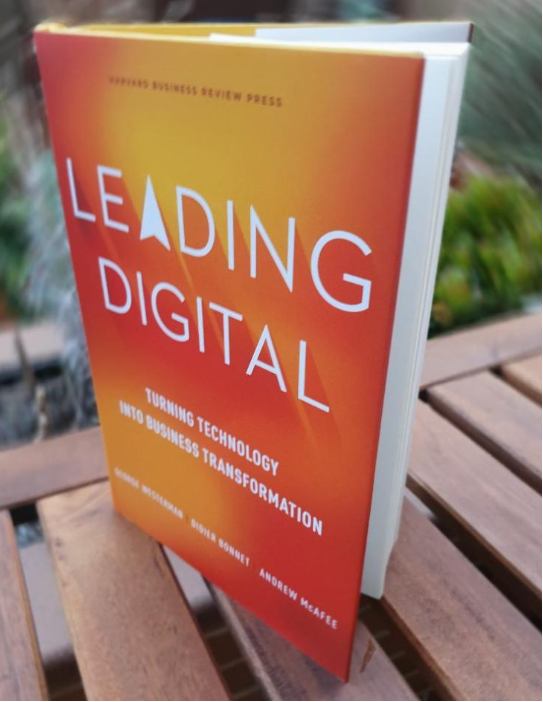
Building Digital Mastery Enterprise – Reinventing your Business Model.
2020
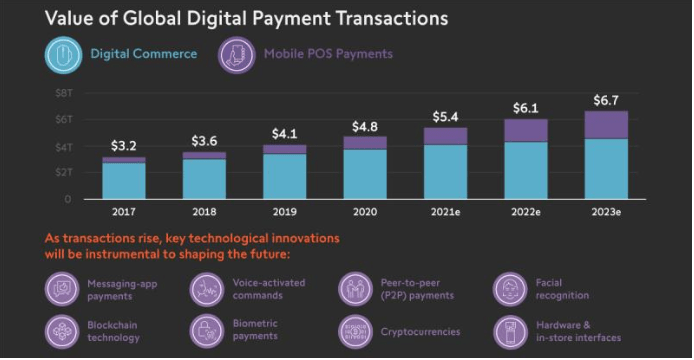
The Future of Digital Payments
2020
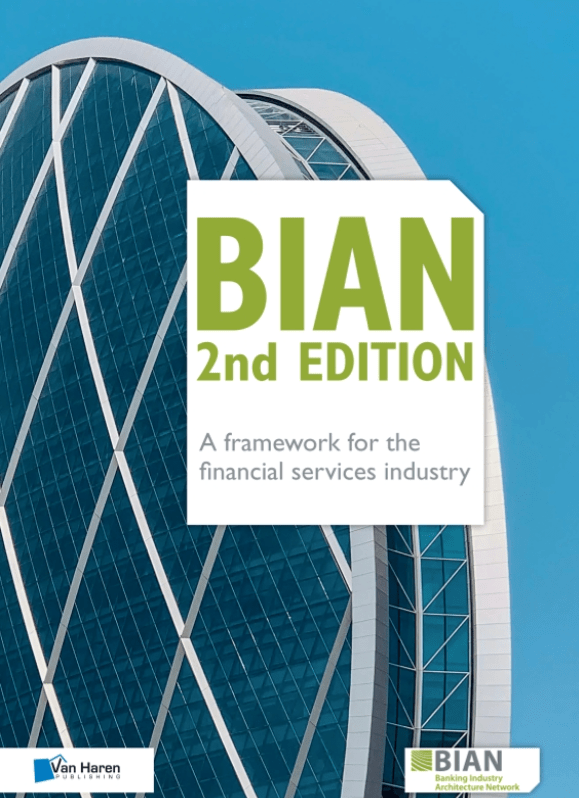
BIAN – A Framework for the Financial Services Industry (FSI)
 DanitH's Blog